
Disaster resiliency
Hawaiʻi’s disaster plan is its neighbors
The same neighbors who show up on an ordinary Saturday are the ones who carry us through a storm. Volunteering today is how Hawaiʻi gets ready for tomorrow.
Find volunteer work near you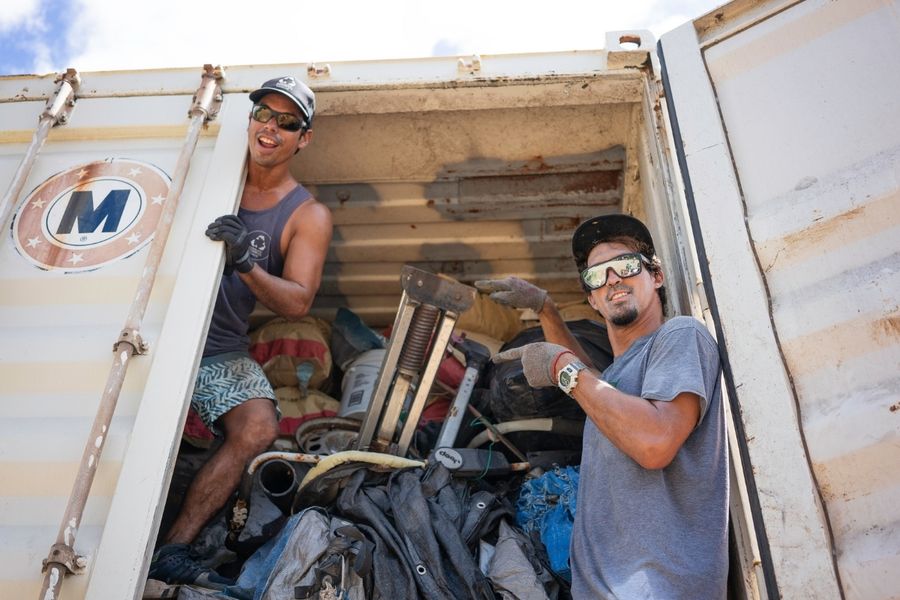
Why this is a volunteering page
The same people, earlier
The organizations that run a Saturday beach cleanup are the ones that move water and generators when a road goes. The volunteers who turn up for a loʻi workday are the ones who already know the coordinator’s name. None of that can be assembled during a crisis, which is why preparedness looks a lot like volunteering: it happens before anyone needs it.
- A network exists or it does notOn the day, you have the relationships you already had. There is no time to build one.
- Trained beats willingSomeone who has done the work on an ordinary weekend knows the site, the tools and the safety brief.
- The coordination is the same coordinationOne platform for the Saturday cleanup and the emergency callout, so nobody is learning it under pressure.
The network this depends on, in 2024:
- Volunteers engaged47,500across every island
- Partner organizations480+posting the work that needs doing
- Volunteer events1,475in that year alone
Why here, specifically
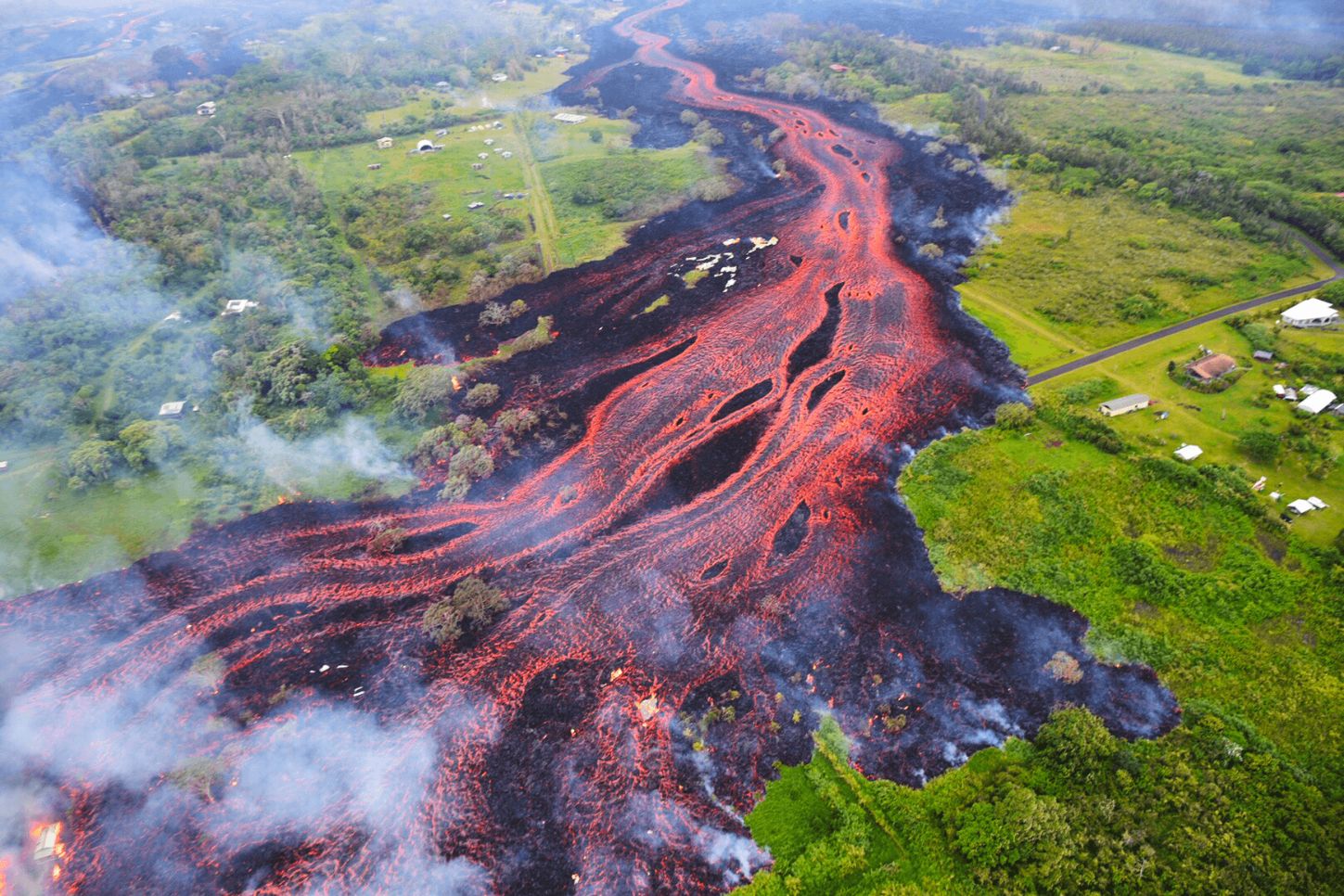
Islands are a different kind of exposed
When a hazard reaches Hawaiʻi, there is no neighboring county to drive supplies in from, and climate change is widening every one of these risks at once: rising sea levels, more extreme weather, and a longer wildfire season.
- Geographic isolationHelp arrives by sea or by air, on a schedule the weather decides.
- Reliance on imported goodsMost of what the islands eat and use is landed at a port, not grown or made nearby.
- Hurricanes and tsunamisBoth can cut the single road a community depends on, from either direction.
- Wildfire and volcanic activityThe two hazards that move, and the two that force people out with no notice.
What Kanu builds
Coordination is the part that fails first
In a response, there are always willing people. What’s hard is knowing who they are, what they’re trained for and where they’re needed. Kanu Hawaii’s volunteer platform is that layer, run here in the islands, and because nonprofits use it every ordinary Saturday, it still works on the hardest days.
- Verified hoursHour verification, so an organization can prove what was actually done.
- Tracking that fits the workImpact tracking and progress dashboards shaped to each organization’s work.
- Impact you can locateMapped by geography, by school district, and by focus area: conservation, food security, and the rest.
- Measured against real frameworksAligned to the Sustainable Development Goals and the Aloha+ Challenge, so the numbers mean something off this site.
Who is still there in year three
Recovery outlasts the response
A major disaster brings national agencies and mutual-aid organizations, and the capacity they bring is one nobody local can match. It is also temporary by design: mandates close, funding cycles end, and teams demobilize, as they must. Recovery does not end when they go. It runs for years afterwards, and the people carrying it are the people who live there.
The organizations still working on it in year three are the ones whose staff live on that street.
How it actually goes
- Before: local, and quietNeighbors, churches, schools, hui and small nonprofits who already know each other. Nothing has to be switched on, because nothing was switched off.
- During: everyone at onceNational responders arrive alongside them with equipment and logistics at a scale no community holds on its own. The hard part is not willingness, it is coordination, and local knowledge is what makes the outside capacity land in the right place.
- After: the local network carries onThe response closes and the same local network is still there, now carrying a multi-year recovery with a fraction of the attention and none of the surge funding.
Which is why it is built this way
- Local controlHubs are coordinated by people from the place they serve, who hold their own contacts and decide what their community needs.
- It has to work on an ordinary TuesdayA system used only in emergencies is a system nobody is fluent in. The same platform runs the Saturday cleanup, so on the bad day it is already familiar.
- Nothing expiresNo mandate to close and no deployment to end. The network is made of organizations that were here before and will be here after, which is what “local self reliance” meant when Kanu was founded in 2006.
This is the whole argument for preparedness: the network that carries year three is the one you build in year zero.
With the City and County of Honolulu
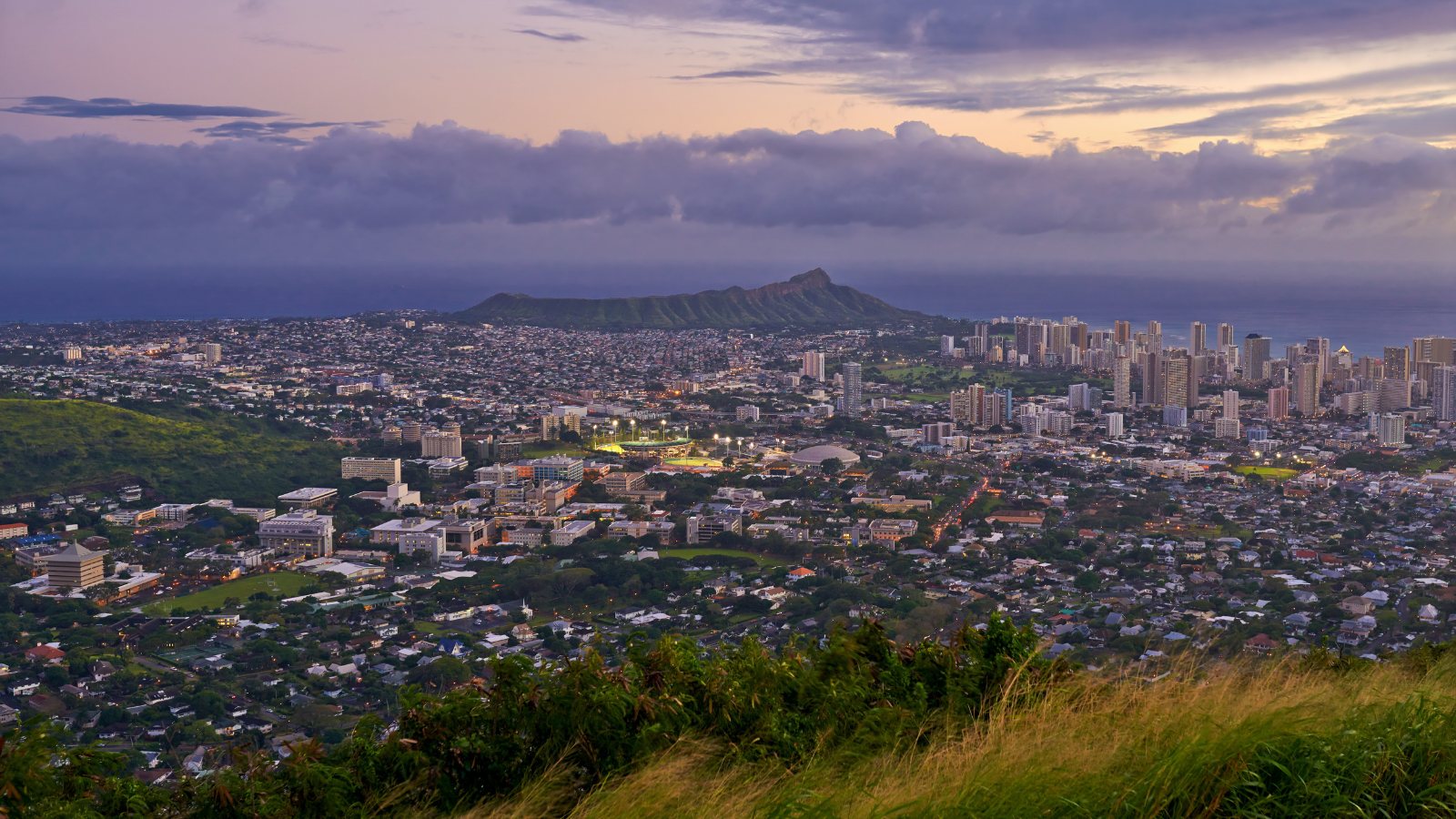
Seventy-five nonprofits, nine council districts
Kanu Hawaii is working with the City and County of Honolulu, through a Grant-in-Aid, to bring at least 75 key nonprofits across the nine council districts onto a shared footing: training, resources, and access to the platform’s tools. The aim is a network that already knows how to work together before it has to.
- 75 key nonprofits, at leastBrought onto a shared footing with training, resources, and access to the platform’s tools.
- All nine council districtsA coordinated approach rather than nine organizations each solving it alone.
- Aimed at the gapsThe work targets the specific things organizations report missing during a response.
Before anything happens
The useful things to do today
Each of these is worth an hour today, long before anything happens.
If you live here
10 minutes
If you want your street to be known before it is cut off
Put your household on the map
A hub that already knows who is on its street does not have to find out during a storm.
Find your hubWhat it takes
- Register your household, once
- Say if anyone needs power for medical equipment
What it changes
- Your nearest hub knows you are there
- You can ask for help through it later
1 minute
If something is wrong now, or reassuringly is not
Report what you can see
Power out, water off, a road blocked, or that your household is fine. The last one matters as much as the others.
File a reportWhat it takes
- One short form, no account
What it changes
- Coordinators see it on the map
- Scarce kit goes where it reaches most people
If you can give time
A day
If you would rather be trained than improvising
Volunteer on preparedness work
Preparedness work happens on ordinary weekends: clearing fuel, building capacity, learning a role before it is needed.
Find an opportunityWhat it takes
- Pick an opportunity and turn up
What it changes
- Verified hours
- A role you already know when it counts
If you run an organization
Free
If you are a nonprofit, school, or community group on Oʻahu
Join the Oʻahu network
The Honolulu program is bringing 75 organizations onto a shared footing across all nine council districts.
Talk to usWhat it takes
- A conversation, and a bit of setup
- Post the work you need doing
What it changes
- Training, resources, and the platform’s tools
- Verified volunteer hours and impact reporting
- A network that answers when you call it
Emergency? Call 911. This page and the map are for preparing, and for coordinating once responders are already on it.
Happening now
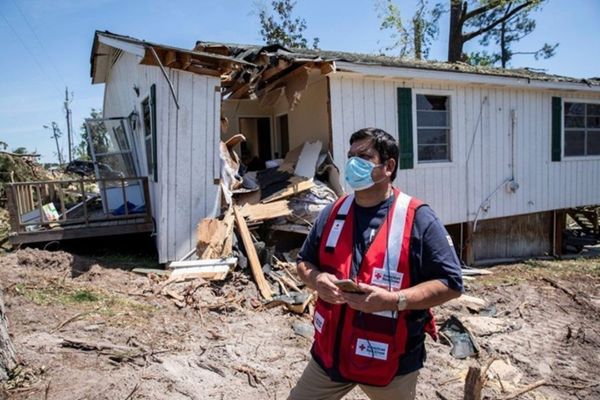
Recovery already under way
Preparedness and recovery are the same network at different moments. Two efforts are live, each with its own page, its own organizations, and its own list of what is needed.
- Oʻahu Disaster RecoveryPreparedness work before a disaster and hands-on support during recovery, supported by Grant-in-Aid from the City & County of Honolulu.
- Kona Low RecoveryStorm recovery across Oʻahu, Maui, Molokaʻi and Hawaiʻi Island.
Working on resilience already?
If your organization runs preparedness or recovery work anywhere in the islands, we would rather connect it than duplicate it. Tell us what you are doing and where.
info@kanuhawaii.org