
Kokua Saturday at Malama Hamakua Maui
Malama Hamakua Maui
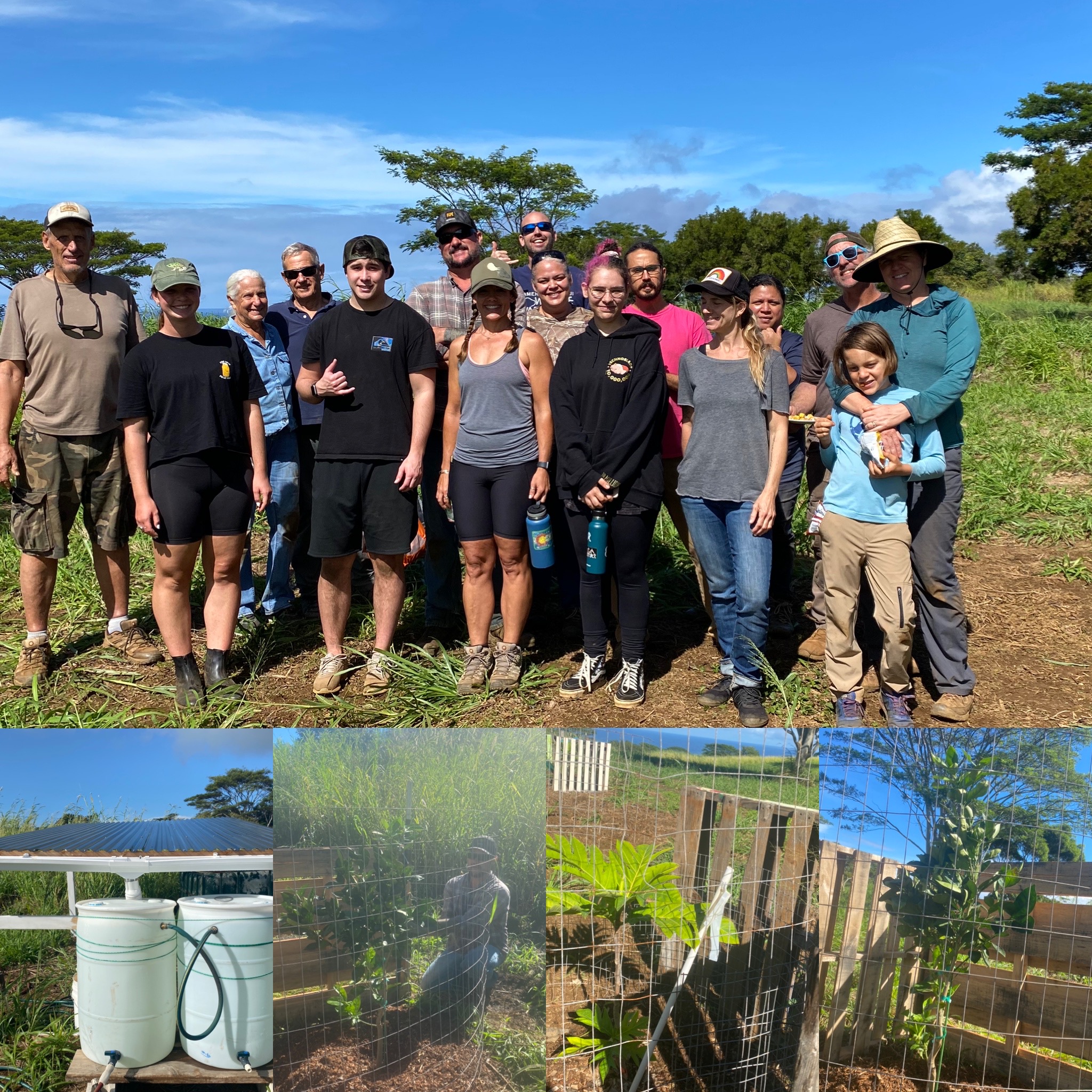
Join us for a Kōkua Saturday with Mālama Hāmākua Maui and spend the morning giving back to the ʻāina alongside your community. Volunteers help with native plant restoration, weeding, mulching, site maintenance, and general care of the open space preserve. No experience is needed—tools, guidance, and light refreshments are provided. These workdays are a chance to learn, connect, and be part of ongoing efforts to mālama Hāmākua for future generations. We welcome all who are ready to lend a hand and share in this important work.
Directions:
From Hana Highway, turn onto Hāhāna Road and take the left fork. Continue past where the pavement ends and disregard the “4×4 required” sign—we are located before that section. Look for Mālama Hāmākua Maui signs on the right and follow them to the entrance. If you need help, call or text 808-385-3176.
What to Bring:
Closed-toe shoes (required)
Sun protection (hat, sunscreen)
Refillable water bottle
Work gloves (if you have them)
Comfortable clothes you don’t mind getting dirty
We can’t wait to see you there and work together to care for this special place.
Malama Hamakua Maui
About the organizer
There are two moku on the north shore of Maui: Hāmākuapoko and Hāmākualoa; poko and loa being added to distinguish the main district of Hāmākua from its smaller neighbor.These districts are more historical than legal at this point. Hāmākualoa as a local place name is largely replaced with Haʻikū. The reason for this is largely due to the explosion of the sugar industry on Maui around 1860. For many years the Haʻikū Sugar Company was the largest sugar plantation in Hawai’i. A large mill and company town was constructed in Haʻikū, forever putting it on the map.The moku is still important for real property deeds, many of which have their origins in land grants and patents issued in the 19th century. The property descriptions of the old grants are expressed relative to landmarks within the moku and the ahupua’a.There is a searchable, on-line database of land grants, here. If the grant was made to a Hawaiian, the grant is written in Hawaiian, otherwise it is written in English. Here is an example of grant (in Hawaiian) from 1852 for land that probably included the present day Open Space, based on its modern TMK.
Good For
Kids, Teens, Families, Students, Groups, Visitors, Exercise, Meeting People
Activity Type
Outdoor, Parks & Trails, Farms & Gardens, Help Plants & Nature, Cleanup, Physical Labor, Skilled Labor, Landscaping
Cause
Environmental Conservation, Cultural Preservation
Requirements
Closed Toed Shoes
Kokua Saturday at Malama Hamakua Maui
Malama Hamakua Maui
Join us for a Kōkua Saturday with Mālama Hāmākua Maui and spend the morning giving back to the ʻāina alongside your community. Volunteers help with native plant restoration, weeding, mulching, site maintenance, and general care of the open space preserve. No experience is needed—tools, guidance, and light refreshments are provided. These workdays are a chance to learn, connect, and be part of ongoing efforts to mālama Hāmākua for future generations. We welcome all who are ready to lend a hand and share in this important work.
Directions:
From Hana Highway, turn onto Hāhāna Road and take the left fork. Continue past where the pavement ends and disregard the “4×4 required” sign—we are located before that section. Look for Mālama Hāmākua Maui signs on the right and follow them to the entrance. If you need help, call or text 808-385-3176.
What to Bring:
Closed-toe shoes (required)
Sun protection (hat, sunscreen)
Refillable water bottle
Work gloves (if you have them)
Comfortable clothes you don’t mind getting dirty
We can’t wait to see you there and work together to care for this special place.
Good For
Kids, Teens, Families, Students, Groups, Visitors, Exercise, Meeting People
Activity Type
Outdoor, Parks & Trails, Farms & Gardens, Help Plants & Nature, Cleanup, Physical Labor, Skilled Labor, Landscaping
Cause
Environmental Conservation, Cultural Preservation
Requirements
Closed Toed Shoes
Malama Hamakua Maui
About the organizer
There are two moku on the north shore of Maui: Hāmākuapoko and Hāmākualoa; poko and loa being added to distinguish the main district of Hāmākua from its smaller neighbor.These districts are more historical than legal at this point. Hāmākualoa as a local place name is largely replaced with Haʻikū. The reason for this is largely due to the explosion of the sugar industry on Maui around 1860. For many years the Haʻikū Sugar Company was the largest sugar plantation in Hawai’i. A large mill and company town was constructed in Haʻikū, forever putting it on the map.The moku is still important for real property deeds, many of which have their origins in land grants and patents issued in the 19th century. The property descriptions of the old grants are expressed relative to landmarks within the moku and the ahupua’a.There is a searchable, on-line database of land grants, here. If the grant was made to a Hawaiian, the grant is written in Hawaiian, otherwise it is written in English. Here is an example of grant (in Hawaiian) from 1852 for land that probably included the present day Open Space, based on its modern TMK.